How Drum Lesson Hong Kong Programs Are Adapting to Modern Students
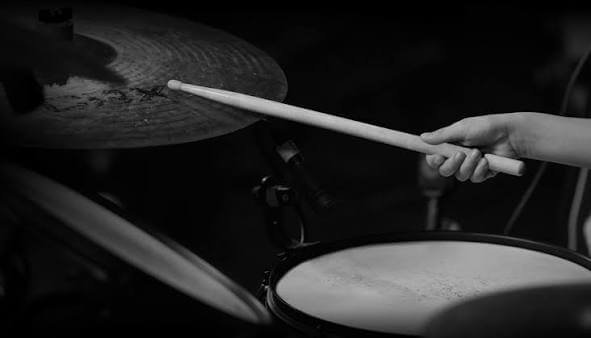
Music education has evolved considerably over the past decade, and drum lesson hong kong programs are no exception, increasingly incorporating modern teaching methods, popular repertoire, and flexible formats designed to appeal to a generation of students with very different expectations than those of decades past.
Moving Beyond Purely Classical Foundations
While traditional technique remains important, many programs have shifted toward incorporating contemporary popular music into their curriculum from the very beginning, recognising that students are often far more motivated when learning songs they actually recognise and enjoy, rather than exclusively working through purely technical exercises.
This shift has helped make drumming more accessible and appealing to a broader range of students, including those who might have previously been deterred by a more rigid, traditional approach to music education.
Technology’s Growing Role in Lessons
Recording and Self-Review Tools
Many programs now incorporate recording technology, allowing students to review their own playing and track improvement over time, a practice that has become significantly easier and more accessible thanks to modern smartphone technology.
Supplementary Online Resources
Beyond in-person lessons, many programs now supplement traditional teaching with online resources students can use for additional practice between formal sessions, extending the learning experience well beyond the physical lesson time itself.
Flexible Formats for Busy Schedules
Recognising that both students and parents often juggle demanding schedules, many programs now offer flexible lesson timing and formats. Exploring current drum lesson Hong Kong offerings reveals just how much variety now exists in terms of scheduling, group versus individual instruction, and overall program structure.
Group Versus Individual Lessons
Group lessons have become increasingly popular, offering a more social, often more affordable learning environment, while individual lessons continue to provide more personalised attention and faster technical progress. The right choice often depends on the specific student’s personality and learning preferences.
Performance Opportunities as Motivation
Many programs now build in regular performance opportunities, whether informal recitals or more structured showcases, giving students a tangible goal to work toward and a meaningful way to demonstrate their progress to family and friends, which can significantly boost motivation and long-term commitment.
See also: Working With a Freelance VA: A Starter Guide
Frequently Asked Questions
Are group lessons as effective as individual instruction?
Group lessons can be highly effective, particularly for building rhythm and ensemble skills, though individual lessons generally allow for more personalised, faster technical development.
Do modern programs still teach traditional technique?
Yes, traditional technique remains an essential foundation, even as programs incorporate more contemporary repertoire and modern teaching tools alongside it.
How often should students practise between lessons?
Consistent, even if brief, daily practice tends to produce better results than infrequent, longer practice sessions, and most teachers will provide specific guidance tailored to each student’s level.
Final Thoughts
As music education continues to modernise, programs that thoughtfully blend traditional technique with contemporary appeal and flexible formats are proving especially effective at keeping students engaged and genuinely progressing over the long term.