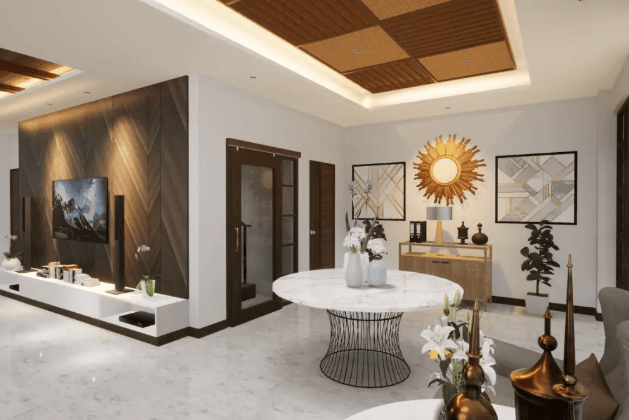
Design Inspiration From Modern Buildings
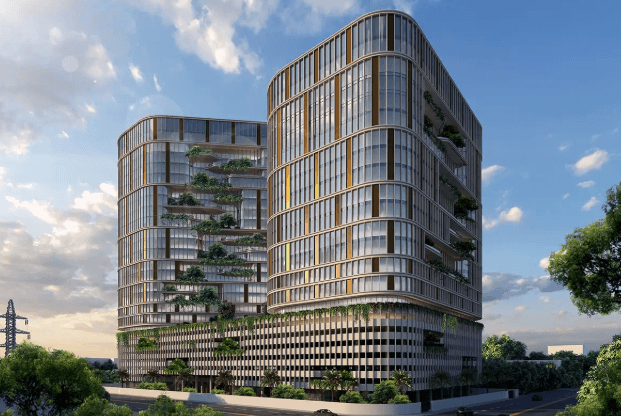
Modern buildings teach that light is a structural agent, guiding routes and pauses through glazing and shade. Surfaces become tactile grammar, inviting texture to signal tact and care. Form and function fuse, translating sculptural shapes into everyday usefulness. From facades to interiors, illumination strategies choreograph rhythm, material honesty anchors mood, and craftsmanship grounds flexibility. The conversation turns at thresholds where exterior cadence becomes interior pulse, inviting the next step into spaces that discipline yet welcome discovery.
What Modern Buildings Teach About Light and Spatial Flow
Modern buildings reveal how light traverses space not as a mere byproduct but as a structural agent that shapes perception and movement. The analysis treats illumination as active form, guiding routes and moments of pause. Light choreography emerges through glazing, shadows, and corollary openings, while spatial rhythm organizes sequence and cadence, empowering users to move with deliberate freedom within constraints.
Materials and Craft: Reinterpreting Texture in Everyday Interiors
In the wake of light as a guiding force, materials and craft become the tactile language through which interior atmospheres are read and felt. Material textures emerge as cultural fingerprints, while tactile depth organizes spaces beyond sight. Ambient contrast indexes mood, and surface variation spoofs monotony, inviting discovery. A measured approach reframes everyday surfaces into articulate, expressive environments.
Form, Function, and Furniture: Translating Sculptural Shapes Into Style
Form, function, and furniture converge as sculptural shapes translate into everyday style, revealing how volume, line, and silhouette govern both usefulness and visual poetry.
The discussion treats form language as a driving vocabulary, where furniture becomes dialogic sculpture.
Sculptural ergonomics align human posture with chair and table geometry, transforming utility into expressive forms that honor movement, comfort, and freedom within disciplined design.
From Facades to Finished Spaces: Real-World Applications for Homes, Galleries, and Hospitality
From facades emerge the design logic that translates external intent into interior clarity: architectural skin informs spatial rhythm, material honesty, and lighting strategies that shape homes, galleries, and hospitality spaces alike. The approach demonstrates light harvesting as a guiding discipline, balancing daylight with artificial schemes, while material tactility anchors sensory experience, enabling flexible programs, authentic atmospheres, and freer, expressive yet disciplined environments.
Frequently Asked Questions
How Can I Adapt Modernist Lighting for Small Rooms?
The question asks how to adapt modernist lighting for small rooms. It systematically suggests layering ambient lighting, uses compact fixtures, and highlights where to hide cables efficiently, delivering expressive, innovative guidance for an audience seeking freedom.
Which Materials Balance Durability and Aesthetics Daily?
Durable finishes and aesthetic textures balance daily use, as material longevity guides selection while surface patinas evolve gracefully. This systematic approach treats materials as expressive canvases, aligning durability with beauty for an audience seeking freedom in functional, resilient design choices.
Where to Source Sculptural Furniture at Sensible Prices?
Sculptural furniture emerges where chance aligns with value; budget friendly sourcing appears through overlooked galleries, local artisans, and online marketplaces, revealing unexpected pieces. The quest maps routes, catalogs, and fairs, guiding the seeker toward affordable, expressive forms.
See also: Interior Design Improvements That Transform Your Home
How Do You Maintain Timelessness Amid Trendy Curves?
Timeless curves resist fleeting trends by balancing proportion and restraint; fashion forward silhouettes emerge when form serves function. The approach is systematic, expressive, and innovative, granting freedom to reinterpret classic lines while preserving enduring elegance for continual relevance.
What Budget-Friendly Strategies Elevate a Neutral Palette?
Budget friendly strategies elevate a neutral palette by layering texture, light, and proportion. The approach remains systematic and expressive, granting freedom: integrate natural fibers, adjustable lighting, and mindful accents to sustain timeless neutrality without excess.
Conclusion
In summation, the ethos of modern buildings translates into lived environments through light-led navigation, honest textures, and sculptural furniture that pairs utility with lyricism. A striking statistic frames this: projects prioritizing daylight autonomy can reduce artificial lighting needs by up to 60%, reshaping energy, mood, and rhythm. The approach remains systematic—visual cues choreograph movement; material tactility anchors perception; form and function converge as poetry in space. The resulting interiors balance flexibility with disciplined design.