Digital Payments Explained
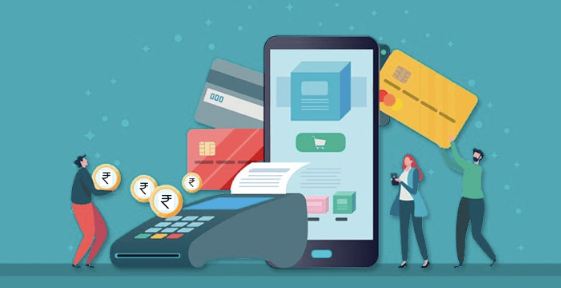
Digital payments encompass electronic transactions without cash, including cards, wallets, online transfers, and emerging digital currencies. They offer speed, traceability, broader access, and convenience through consolidated digital credentials. Core methods include card payments, mobile wallets, and bank transfers, with growing use of contactless and QR options. Security layers combine encryption, authentication, and tokenization to balance privacy and efficiency, while adoption hinges on clarity of costs, safeguards, and tools that save time and expand consumer choice. The next point examines how these elements fit together in real-world use.
What Digital Payments Are and Why They Matter
Digital payments refer to financial transactions conducted electronically without cash, using methods such as card payments, mobile wallets, online transfers, and digital currencies. They enable rapid transfers, traceable records, and broader access.
Digital wallets consolidate credentials for multiple services, while contactless cards offer swift, near-field transactions. Adoption signals efficiency gains, reduced handling costs, and empowered consumer choice, though security awareness and standardized norms remain essential for widespread freedom-driven uptake.
The Main Payment Methods Explained
There are several core payment methods shaping transactions today: card-based payments (including credit and debit cards), digital wallets and mobile wallets, bank transfers and wire payments, and emerging options such as contactless and QR-based methods. Payment methods vary by speed, cost, and reach, balancing convenience with payments security and privacy basics as users choose suitable, frictionless, and secure options.
How Transactions Stay Safe and Private
Security and privacy are built into payment systems at multiple layers, from encryption and authentication to device safety and network protections. The approach emphasizes privacy controls and overall data minimization, reducing exposed details while preserving usefulness. Modern networks support granular controls, pseudonymization, and selective sharing. Transaction anonymity is strengthened by tokenization and privacy-preserving routing, enabling safer, freer digital exchanges without compromising accountability.
Choosing the Right Fit for You and Your Tips to Save Time
Choosing the right digital payment approach depends on user needs, risk tolerance, and daily habits. A budgeting mindset guides selection toward low-friction tools, clear fees, and predictable limits, while minimizing redundant steps. Time-saving tips focus on tap-to-pay and unified wallets. Merchant loyalty programs can yield savings, but require vigilance. Compare timelines, security, and rewards to optimize both efficiency and financial control.
Frequently Asked Questions
How Do Digital Wallets Differ From Mobile Payments?
Digital wallets store payment credentials and user data, enabling a one-tap experience, while mobile payments refer to the broader transaction method via devices. Digital wallets power mobile payments, but the two concepts are not interchangeable, as roles differ.
Can I Use Crypto for Everyday Purchases?
Yes, crypto usage for everyday purchases is increasingly supported, though acceptance varies by merchant and region; users should consider volatility, fees, and merchant compatibility when evaluating practicality for daily spending.
Are Digital Payments Accessible for Seniors or Disabled Users?
Digital payments are accessible for seniors and disabled users, when inclusive design is applied. Accessible design and thorough accessibility testing reveal pathways for intuitive use, empowering freedom. Interfaces should prioritize simple navigation, clear labeling, and assistive technology compatibility.
See also: Digital Payment Trends in 2026
What Happens if a Payment Fails or Is Disputed?
What happens if a payment fails or is disputed? Payment failures trigger retry rules, notifications, and potential fees; payment disputes initiate issuer or merchant investigations, refunds, or reversals. Data indicates resolution timelines vary, empowering users to track status and outcomes.
Do Merchants Set Fees or Pricing for Digital Payments?
Merchants set fees or pricing for digital payments, often via a pricing structure that combines per-transaction charges and monthly costs. For example, a retailer might incur lower fees for card-present transactions, balancing interchange and processor margins.
Conclusion
Digital payments streamline everyday exchange, binding speed, security, and choice into a single interface. As data flows, choices aggregate into patterns that shape markets and habits. The layers—card, wallet, transfers—reflect a broader shift toward accessible, traceable commerce. Like footprints in a digital breeze, decisions today echo tomorrow’s efficiency, privacy, and costs. For users, the conclusion remains simple: choose clarity, guard your keys, and align tools with time saved, not just transactions completed.